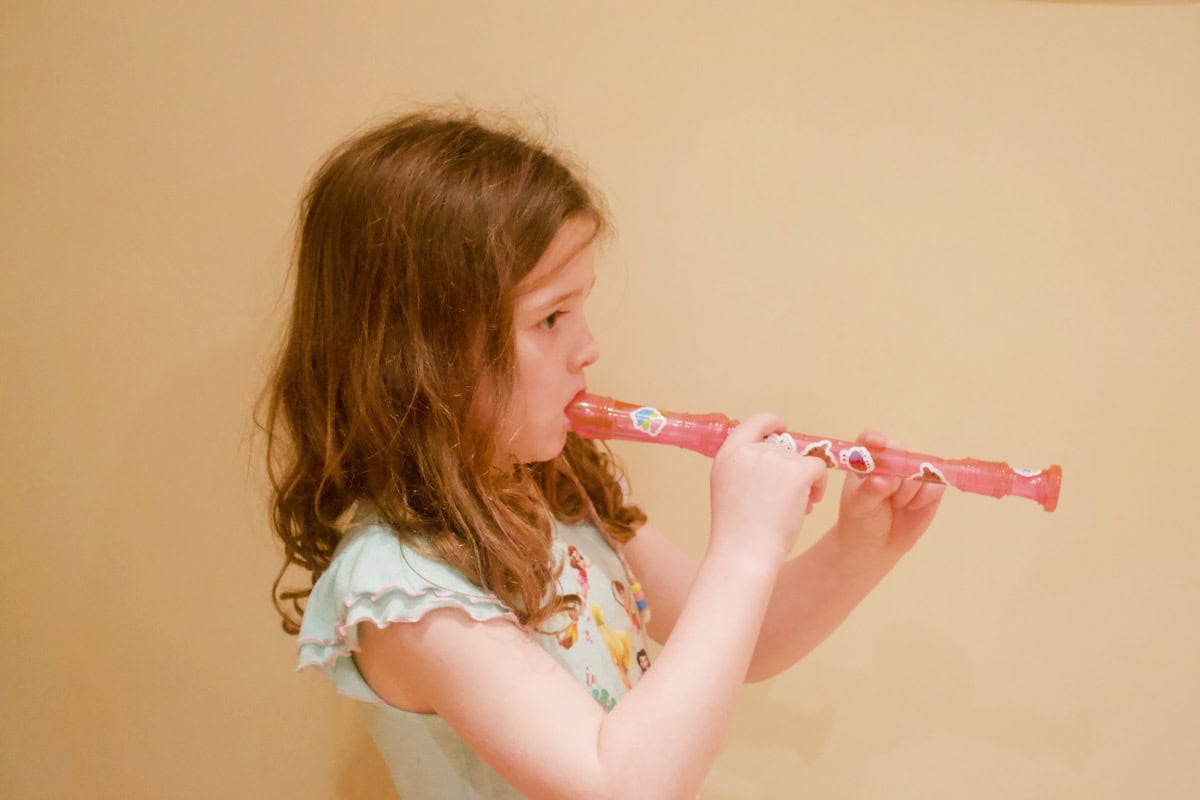
Coming from a musical family, I always knew that I would encourage my children to learn a musical instrument. Having learnt the piano from aged 7, I knew the time and commitment that practising an instrument takes but still valued how much the children could gain. I’ve taken some time, inspired by the teachings of this nursery in Surrey, to explore the benefits of encouraging your child to pick up a musical instrument.
1. Brain Development
Research suggests a strong link between learning a musical instrument and cognitive development in children. Engaging with music helps improve memory, attention, and problem-solving skills. The process of reading sheet music, coordinating hand movements, and understanding musical theory stimulates various regions of the brain, enhancing overall cognitive abilities. By encouraging your child to embrace an instrument, you provide them with a harmonious melody that nurtures their intellectual growth.
Have you signed up to our newsletter to never miss a post? Click HERE to join up.
2. Emotional Resonance: Music as an Expression of Feelings
Learning an instrument offers a unique channel for emotional expression. Music provides a platform for children to convey their feelings, whether it be joy, sadness, or excitement. The ability to express emotions through an instrument fosters emotional intelligence, helping children understand and manage their feelings. Playing an instrument can be a therapeutic outlet, providing a space for self-reflection and emotional release, promoting a balanced emotional well-being.
3. Discipline and Patience: The Rhythm of Perseverance
Mastering an instrument requires dedication, discipline, and patience. Learning to play an instrument teaches children the value of consistent effort and the rewards that come with perseverance. Setting aside time for practice sessions instils a sense of responsibility and commitment. The gradual progression from novice to proficient musician instils a strong work ethic that can positively impact various aspects of a child’s life, from academics to personal relationships.

4. Social Harmony: Making Music Together
Encouraging your child to learn an instrument opens the door to collaborative opportunities. Playing in a band, orchestra, or even casually jamming with friends fosters teamwork, cooperation, and social skills. Music provides a shared language that transcends cultural and linguistic barriers, allowing children to connect with others through a common passion. The experience of making music together promotes a sense of community and belonging, nurturing valuable social skills that extend beyond the musical realm.
5. Boosting Confidence: Striking the Right Chord
Mastering a musical instrument is a tangible accomplishment that can significantly boost a child’s confidence. The gradual improvement and ability to perform in front of others contribute to a positive self-image. This newfound confidence can spill over into other aspects of a child’s life, empowering them to take on challenges with resilience and self-assurance.
In the grand symphony of parenthood, the decision to encourage your child to learn an instrument is a melodious choice that can shape their intellectual, emotional, and social development. From fostering cognitive skills to instilling discipline and boosting confidence, the benefits of musical education are both profound and lasting. So, if you find yourself at the crossroads of this decision, consider the harmonious journey that awaits your child through the enchanting world of music.
WAYS THAT YOU CAN GET INVOLVED WITH 2 Adults 3 Children
- Sign up to our newsletter for periodic news updates
- Please leave a comment if you have tried one of our tips to let us know how it went
- Subscribe to our 2 Adults 3 Children Facebook Page
- Sharing is Caring – Let your friends & family know about a place they might enjoy
- Follow us on any of our social media channels:


