
We’ve had children involved in sports for over 15 years now at various levels. Fair to say we’ve experienced some wonderful highs and ‘successes’ but never fear, we’ve had to deal with plenty of disappointment too.

For background (as I realise I don’t actually mention the sports that our children do that often) here’s where we are at:
Millie (Aged 20) has spent the last 10 years doing Artistic Swimming (Previously known as Synchronised Swimming). She started at age 10 as a timid little girl who loved swimming & dance and trained and trained to eventually become part of Team GB Senior Squad. She could say she is very fortunate to travel all over the world with her sport but we say she has worked, overcome some disappointments and put her life on hold to get where she is. Millie is one of the most determined characters you will ever meet – There was no doubt exactly what she wanted to achieve in her sport and she would put in the hard work to achieve it – even the 4am starts (life as a synchro mum is not glamorous!))
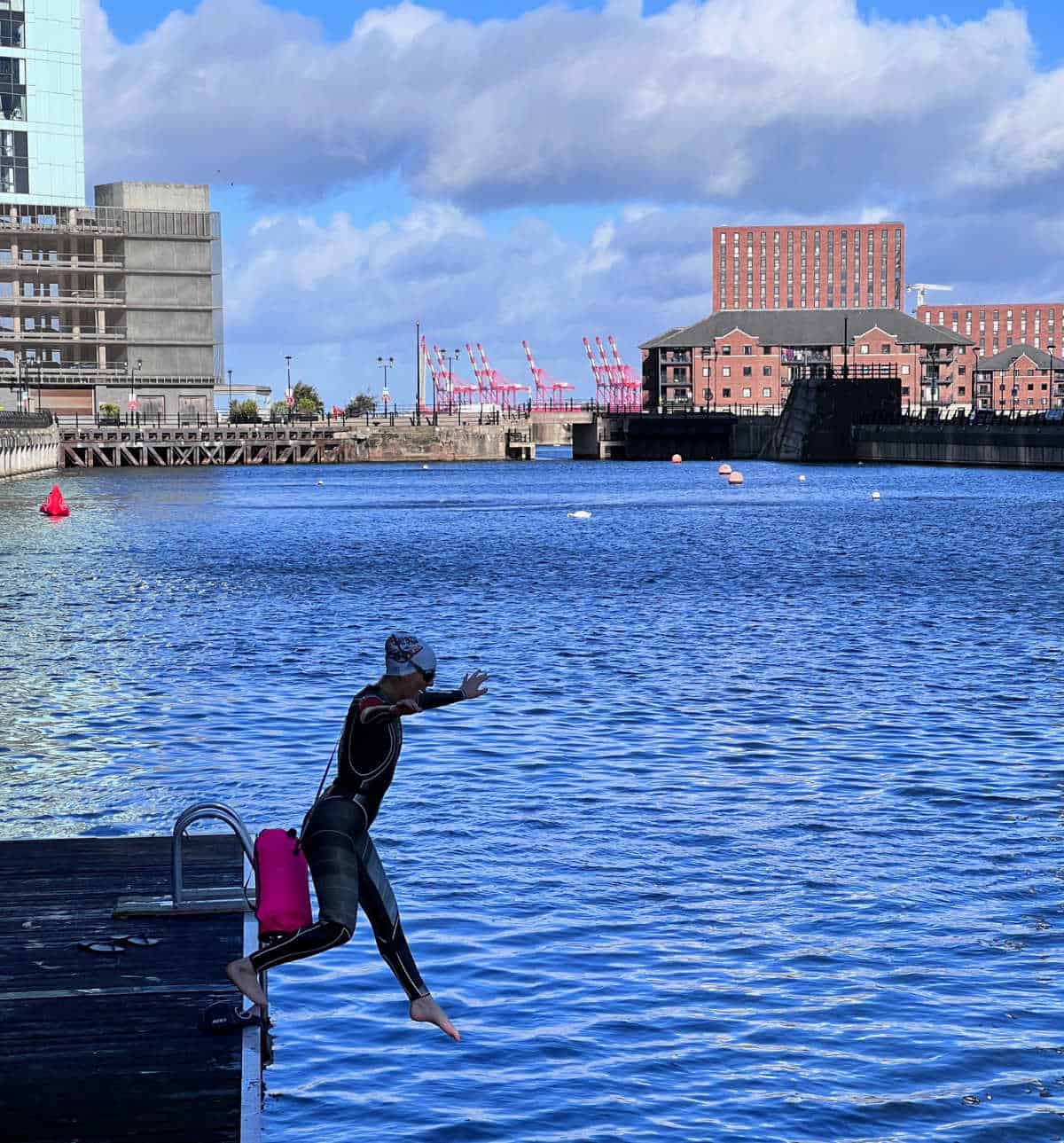
Violet (Age 16) is a runner and Open Water Swimmer. She competes sometimes but actually really enjoys training and keeping fit. She definitely enjoys the warm hot chocolate after an Open Water swim, whether it be a race or just a quick dip!
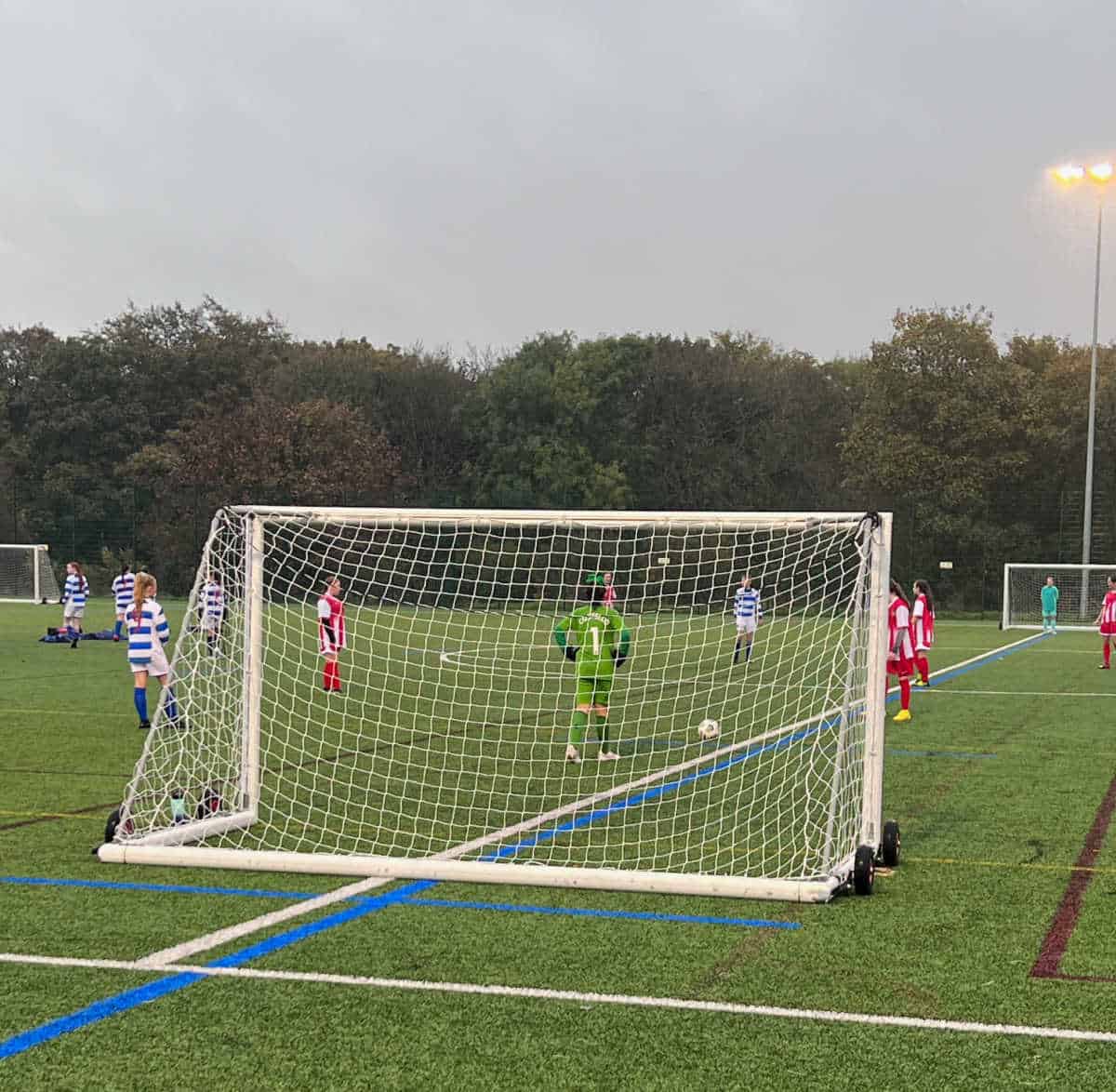
Tara (Age 11) is football mad. We are still learning the world of footy – so different to the world of Artistic swimming but in some ways, a sports parent is pretty much the same wherever you go! Tara has recently discovered she loves being in goal. There’s no pressure on her for this to be ‘her thing’ it all comes from her, wanting to play footy at every opportunity and just loving being with her mates and a ball.
Here’s how we deal with our children and disappointment in sport:
(Also, we find a lot of our techniques are useful in other walks of life but for the purposes of this post, I’m going to discuss sport)
Does it build confidence?
At the end of the day, so much about sport is the confidence it can give a children and young athletes to try something new, to give them the abilities to deal with different people, to build friendships – We keep this in mind in every step our children take.
What is your child learning?
Its not just about what skills are needed to play the sport, is there another new skill to be learnt? Team work, negotiation, patience waiting for your turn, handling nerves. All my girls have loved being part of team sports, they haven’t always loved every member of their team, but they have learnt the all important particular skill of working together for a common goal. Not every home will end up with high sports performance athletes, but treated well, every home can results in resilient athletes with good mental health.

It may be a bad game, it is not a bad sport
We talk a LOT in our house about sport. We’ve had competitions that haven’t gone our way, we’ve had matches where the outcome of the game hasn’t gone our way too. We talk about what went wrong, what the child can learn from it for next time and always use experiences as learning. NO matter how badly a session has gone, there is always something to learn.
Are they doing it to please you, their parent?
There’s no getting away from the fact the our eldest has given up a lot for her sport. She’s always had her head screwed on and knew that you have to make sacrifices to get to the level she is at GB. Some of these decisions have not been easy, a social life at secondary school was difficult and no 16 year old wants to miss their prom for a training session, but Millie did it. What we never wanted was for Millie to continue doing a sport just because of the sacrifices we have made too, though.
Do they want success as much as you want it for them?
I remember watching a programme recently on young boys applying for a football academy. It was a fascinating look into the world of young football and the hopes and dreams of not only the boys but their parents too. In the programme, there were a couple of Dads who had been involved in academies in their youth and for various reasons hadn’t made it to be professional athletes. What was sad in a couple of instances, was that some Dads had not been able to give up that dream for themselves and were putting pressure on their young boy to be the very best. Could those boys have been honest if their dream was not quite the same as their Dad’s? It would take some guts, and equally take some honesty from parents to admit this too.

What happens on the pitch, stays on the pitch
Hugely important lesson to teach our children that some training sessions or matches won’t go as planned. If you are in a sports team with passionate team members that will try their hardest, then those passions will escape at times. Tempers may fray, emotions may rise – but it doesn’t have to go into school the next day. There is absolutely no benefit in telling other classmates that you felt hard done to or not speaking to your teammate. It definitely won’t make your next session or next year any better! It may be best to save that negative emotion for the privacy of your own home and the safety of your family.
Are the expectations reasonable in the first place?
Is your little dancer really cut out for the Royal School of Ballet? Is this the million-dollar question? Are they ever likely to achieve Team GB? Its completely fine if not, there is space in sport for all abilities and enjoyment to be found at all levels. Have an honest conversation with your young people if they are starting to talk about achieving a level that may be above them that could ultimately knock their confidence or enjoyment of their sport if they don’t get there. Not everyone can become elite athletes, but everyone can get some enjoyment from the right sport for them.
Are you wasting your/their time?
We all know of coaches that are always going to pick their own athletes ahead of others. We’ve had trials and seen that a whole group have been chosen ahead of successful athletes that were, quite frankly, better than the chosen ones. We have had to make decisions and have honest conversations about whether it is worth even attending these trials in subsequent years or whether it is better to look for trials elsewhere.
We know of teams of little tiny young children who never get any game time as their coach is so competitive that they will only play their best players. I’m so glad that my girls have never had coaches that do this but I have to say, we would have had discussions about moving them elsewhere if they did. It once again, goes back to the most important thing of building their confidence and do they enjoy their sport?

How do they behave when something goes wrong?
Now this is a difficult one, and I’m not saying we always had it nailed. We are not fans of sulking, blaming others and saying ‘It’s not fair’ in this family. With passion about your sport, will come frustration though – that’s the trouble losing brings. Countless goals have gone past T and she wouldn’t be the keeper she is if she didn’t express frustration. She knows to take a deep breath, growl to herself not throw her water bottle and we are working on the sulking!
We also aren’t afraid to talk about a bad performance and that disappointment hurts. We do hear parents putting their child down, saying ‘that was rubbish’ and other such unsolicited advice. All very different than a frank and honest conversation on the way home about maybe it might have worked if they used what was discussed in training or really didn’t give maximum effort but could do next time. We will always still be improving, every practice session will be a learning curve for both child and parent. Us parents are not expected, nor should we try to be professional coaches.
Your child may also see other people behaving badly too. We talk about this too afterwards – You are going to come across all sorts of situations, including rude behaviour at the pool. Forewarned is forearmed most of the time, so sometimes knowing that not everyone is perfect can be enough.
Give the child the space to talk
Nobody will really know your child’s thoughts after they experience disappointment unless you give them time to think it through themselves. Let them know you aren’t cross and that they are welcome to talk through their feelings. You may find they have a totally different perspective on how their training/competitions are going than you think. You may find it useful to read this post on the Benefits of Positive Thinking. They might think they’ve had a real disaster or that they were the worst player when plainly it was not the case. A child’s spirit is a wonderful thing, let’s embrace them. Equally, as parents we might not have thought today to be that important but to the child it could have been a critical competition and part of achieving their own personal goal.
This post on Simple Ways to Create Calm may also be useful.
Sport is brilliant!
Talk about this ALL THE TIME! Let’s get away from it all being about winning and being perfectionistic kids – let’s make it about a valuable opportunities to make fantastic friendships from a young age, never be bored and keep fit. The excitement of a competition or race when you do well and the sense of achievement that you’ve been part of great things is priceless. My girls will never be alone, they have teammates everywhere from the numerous teams they’ve been part of and we wouldn’t change it for anything.


Some seriously good tips here! I never knew Millie missed her prom for training instead, that is hardcore dedication! It’s lovely how all the girls have different sports passions. I wonder how many miles you have driven over the years as a taxi service… and miles flown! 😉 All totally worth it! Sim x