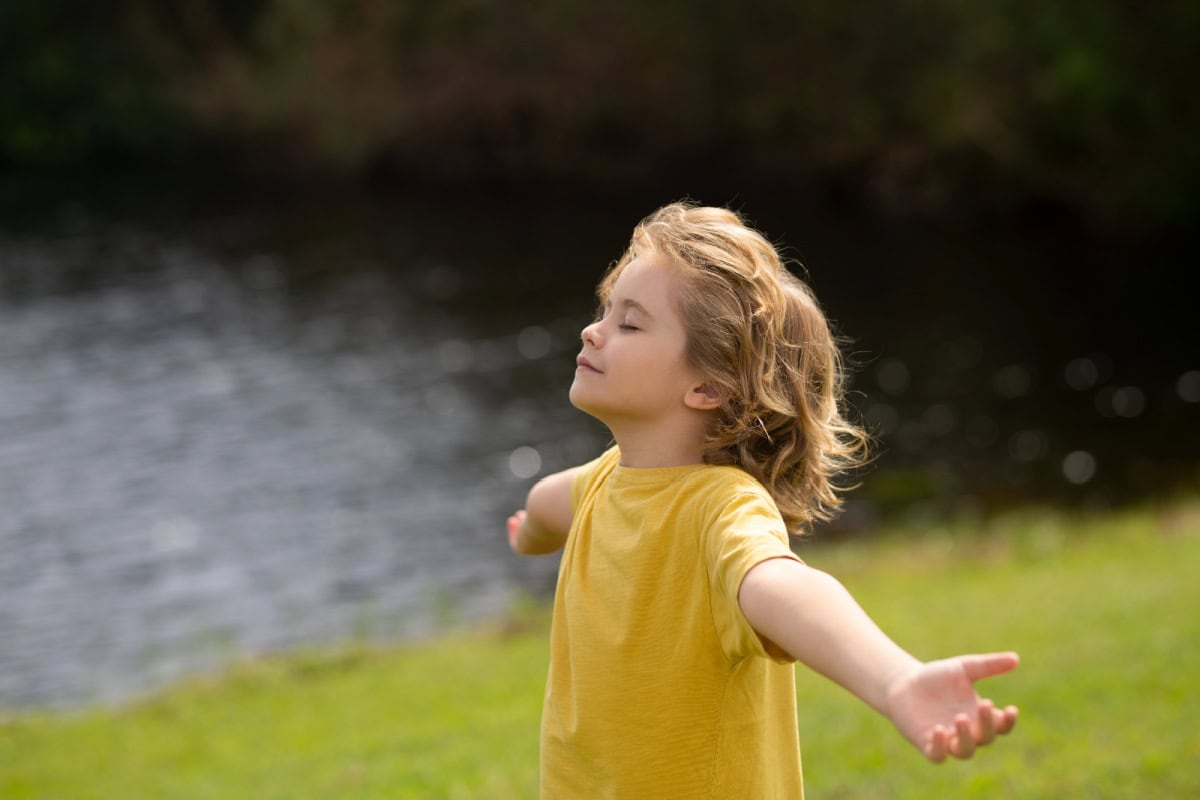
Children today are exposed to many pressures, from schoolwork to social challenges, and at times it can all feel overwhelming. Helping your child manage big feelings is important, and mindfulness can be a simple yet powerful tool to support them. Mindful exercises do not need to be long or complicated. In fact, short, calming activities can make all the difference in moments of stress or upset. Here’s how, inspired by the practices of this nursery in South West London.
Why Mindfulness Helps Children
Mindfulness teaches children to slow down and pay attention to the present moment. This can help them:
- Regulate emotions more effectively.
- Reduce feelings of anxiety.
- Improve focus and concentration.
- Build resilience in challenging situations.
By practising simple techniques regularly, children can develop tools to manage difficult emotions when they arise.
The Balloon Breath
One of the quickest ways to calm an overwhelmed child is through mindful breathing. The “balloon breath” is particularly child-friendly:
- Ask your child to place their hands on their tummy.
- Encourage them to imagine their stomach is a balloon.
- As they breathe in slowly through the nose, the balloon fills up.
- As they exhale through the mouth, the balloon deflates.
This exercise gives children a visual way to focus on their breathing. Within a few rounds, they often feel calmer and more in control.
The Five Senses Check-In
Overwhelm often pulls children into racing thoughts. Grounding them in the present can break the cycle. The Five Senses Check-In is a quick and effective tool:
- Name five things you can see.
- Name four things you can touch.
- Name three things you can hear.
- Name two things you can smell.
- Name one thing you can taste.
This activity helps children reconnect with their environment and shift focus away from worries or frustrations.
The Glitter Jar
A glitter jar (sometimes called a “calm jar”) is a wonderful visual tool to support mindfulness. To use:
- Shake the jar and notice how the glitter whirls around.
- Explain to your child that this is what their thoughts and feelings look like when they are overwhelmed.
- As the glitter slowly settles, encourage them to watch closely and breathe slowly with it.
The jar acts as a reminder that emotions settle over time, helping children feel reassured.
The Starfish Stretch
Mindful movement can also help. The “starfish stretch” is quick and grounding:
- Ask your child to spread out their fingers like a starfish.
- Slowly trace each finger with the opposite hand, breathing in as they move up a finger and out as they move down.
- Continue until every finger has been traced.
This tactile exercise combines touch and breath, which makes it especially soothing.
Building Mindfulness Into Daily Life
These techniques work best when used consistently, not just in moments of overwhelm. You can:
- Practise balloon breaths before bedtime.
- Do a Five Senses Check-In during a walk.
- Use the starfish stretch in the morning to start the day calmly.
By making mindfulness part of everyday routines, children build confidence in using these strategies whenever they need them.


